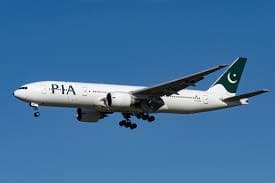
PIA Officially Transferred to New Management Following Rs180 Billion Privatisation
Pakistan has completed one of its most significant economic reforms in recent years, with the official transfer of management control of Pakistan International Airlines (PIA) to its new owners after the successful completion of a Rs180 billion privatisation deal.
The transaction marks the country's first major privatisation in nearly two decades and is expected to reshape the future of the national airline through fresh investment, improved governance, and operational reforms.
Management Control Formally Transferred
Management of Pakistan International Airlines Corporation Limited (PIACL) has officially been handed over to PIA Equity Ltd, a special purpose vehicle (SPV) established by a consortium led by Arif Habib Corporation.
The transfer concludes the privatisation process that began last year, making it one of Pakistan's largest and most closely watched government transactions.
Prime Minister Calls It a Historic Milestone
Prime Minister Shehbaz Sharif described the successful completion of the financial closing and transfer of management control as a major achievement in Pakistan's ongoing economic reform agenda.
According to the prime minister, the transition represents the beginning of a new era for PIA. He expressed confidence that private-sector investment and professional management would help modernize the airline, improve service quality, and strengthen its long-term financial position.
The government also believes the successful transaction will enhance investor confidence and encourage further investment opportunities in Pakistan.
Government Officials Recognized
The prime minister acknowledged the efforts of several senior officials and institutions that played a key role in completing the landmark privatisation process.
Among those recognized were Deputy Prime Minister and Foreign Minister Ishaq Dar, Finance Minister Muhammad Aurangzeb, Adviser to the Prime Minister on Privatisation Muhammad Ali, the Privatisation Commission, and other government officials involved in the transaction.
The government reaffirmed its commitment to continuing structural economic reforms aimed at improving efficiency, attracting investment, and supporting sustainable economic growth.
New Board of Directors Announced
Following the transfer of ownership, the airline's new management constituted a fresh Board of Directors to oversee the company's future direction.
The board unanimously appointed Lt Gen (Retd) Anwar Ali Haider as Chairman of the privatized national carrier.
The newly formed board includes:
- Lt Gen (Retd) Anwar Ali Haider (Chairman)
- Jahangir Paracha
- Gohar Ejaz
- Arif Habib
- Fazal Sheikh
- Aqeel Karim Dhedhi
- Farzana Feroze
The new leadership is expected to focus on improving operational performance, financial sustainability, customer service, and fleet modernization.
What This Means for PIA
The completion of the privatisation process is expected to provide PIA with greater financial flexibility and access to private investment. Industry experts believe that professional management and strategic investment could help the airline address longstanding operational and financial challenges.
Passengers will be watching closely to see whether the new management delivers improvements in service quality, punctuality, route expansion, and overall customer experience.
Key Highlights
- Pakistan completed the Rs180 billion privatisation of PIA.
- Management control has officially shifted to PIA Equity Ltd.
- The transaction is Pakistan's first major privatisation in nearly 20 years.
- A new Board of Directors has been formed.
- Lt Gen (Retd) Anwar Ali Haider has been appointed Chairman.
- The government expects the move to strengthen investor confidence and improve the airline's future performance.
The successful transfer of management marks a significant turning point for Pakistan International Airlines, with expectations that private-sector leadership will help transform the carrier into a more competitive and financially sustainable airline.