What made Fable and Mythos different
Mythos 5 was Anthropic's most capable "frontier" model, and the company had previously said it was too good at hacking-related tasks to release to the public outright. Instead, Mythos was kept restricted to a small group of vetted organizations under a program called Project Glasswing, mostly used to help patch vulnerabilities in critical software systems.
Fable 5 was built on the same underlying model, but wrapped in additional safeguards specifically designed to block its more powerful cybersecurity capabilities from general users. The idea was to give the public access to a frontier-level assistant without exposing the riskiest parts of what the underlying model could do.
The trigger: a reported jailbreak
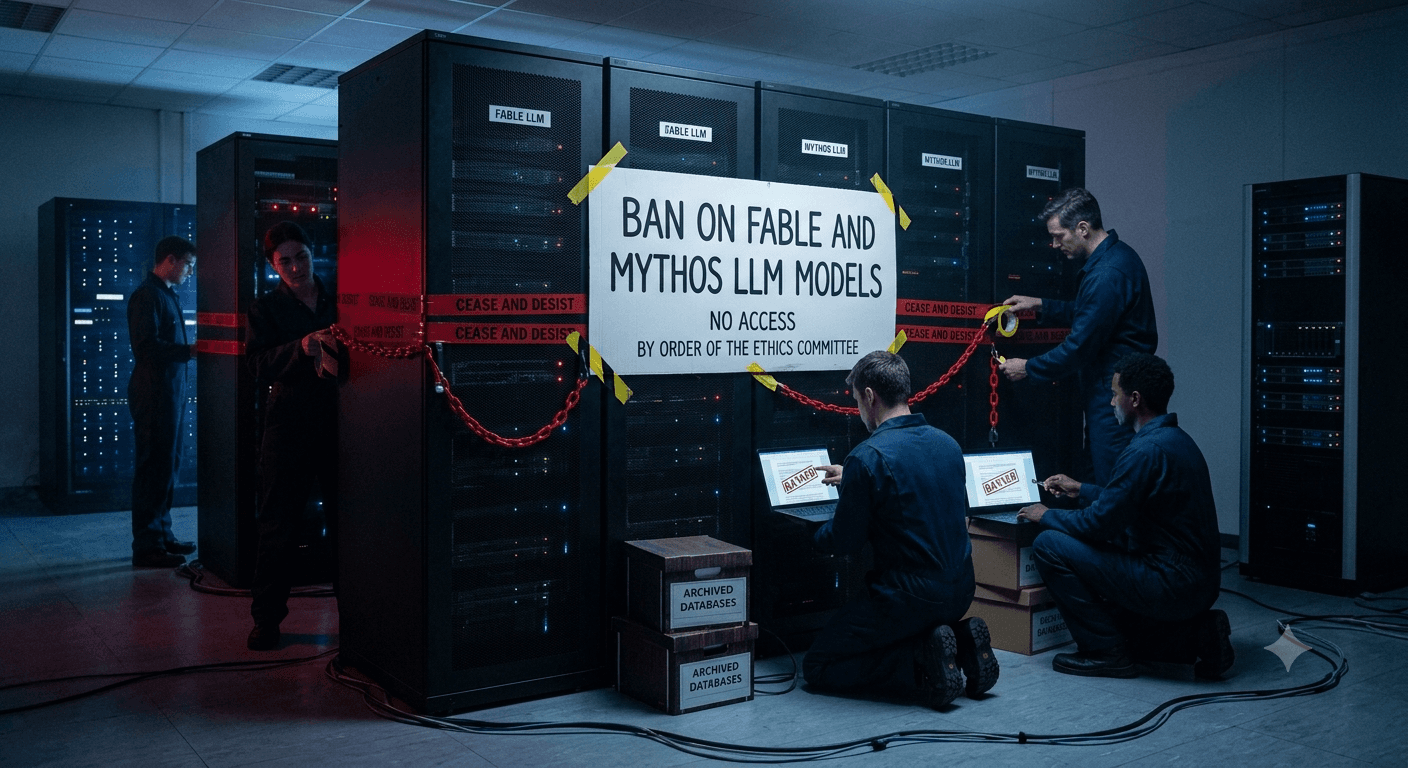
The US Commerce Department, through an export control directive, ordered Anthropic to cut off all access to both models for any foreign national, anywhere in the world — including foreign employees working inside Anthropic itself. Because there was no practical way to separate foreign users from US users in real time across hundreds of millions of accounts on short notice, Anthropic ended up disabling both models worldwide.
The stated justification was national security. According to Anthropic, the government's evidence centered on a "jailbreak" — a method for getting around Fable's safety filters that are meant to redirect risky cyber-related requests to a less capable, safer model. Reporting has pointed to Amazon researchers as the source who flagged the issue, allegedly demonstrating that Fable could be coaxed into producing information useful for cyberattacks.
Anthropic's pushback
Anthropic didn't agree with the severity of the response. The company said the jailbreak it was shown was narrow and non-universal — essentially a technique for asking the model to review a codebase and identify software flaws, a task security teams perform routinely with many existing tools. Anthropic argued that comparable capability is already available from other publicly released models, including competitors, and that the vulnerabilities involved were minor and previously known.
The company's broader concern was precedent: if a single narrow jailbreak report can trigger a full government shutdown of a commercial model already used by hundreds of millions of people, it could effectively freeze new frontier model launches across the entire industry. Anthropic said it supports government authority to block genuinely unsafe deployments, but wants that process to be transparent, technically grounded, and consistent — which it argued this directive was not.
The dual-use problem
Security researchers have pointed out the deeper tension here: the same capabilities that make a model dangerous in the wrong hands are often exactly what defenders need. In the days before the shutdown, some in the security community were actually complaining that Fable's safeguards were too aggressive, rejecting legitimate defensive security work. Tools like port scanners and vulnerability scanners face this same dual-use dilemma, and the industry has historically not banned them outright. Critics argue you can't strengthen cyber defense while also forbidding the tools defenders rely on.
Where things stand
As of the order, all other Claude models — Opus, Sonnet, and Haiku — remain unaffected and available. Anthropic has said it believes the situation stems from a misunderstanding and is working to restore access to Fable 5 and Mythos 5. The episode is widely seen as one of the most aggressive uses of US export-control authority against a commercially deployed AI model to date, and it has reopened a broader debate about how governments should evaluate and respond to AI safety claims without stalling innovation.
This is a fast-moving story and details from both Anthropic and the US government continue to evolve. Treat specifics as current to mid-to-late June 2026.